The Best Cocktails to Order at a Bar NYC
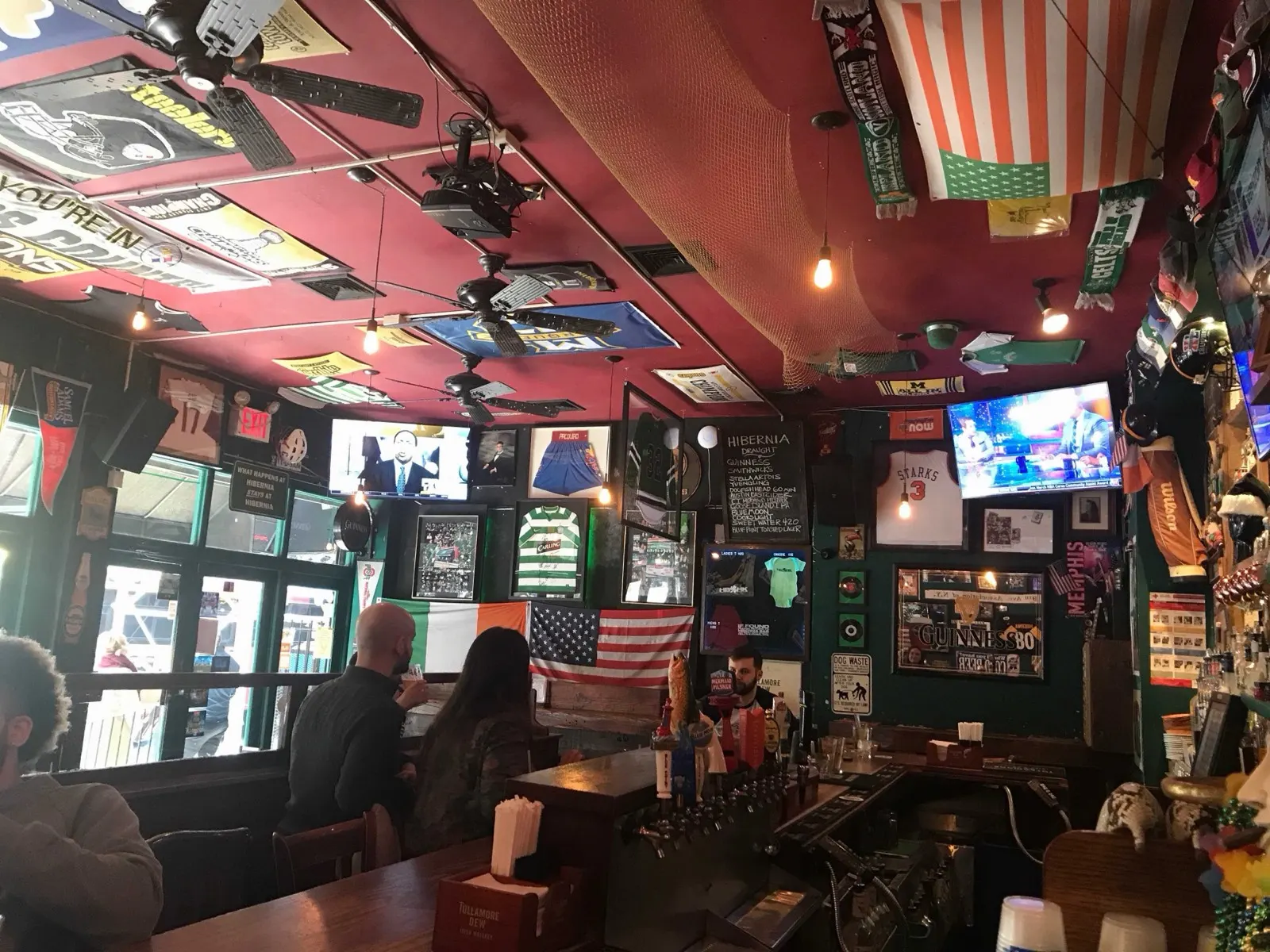
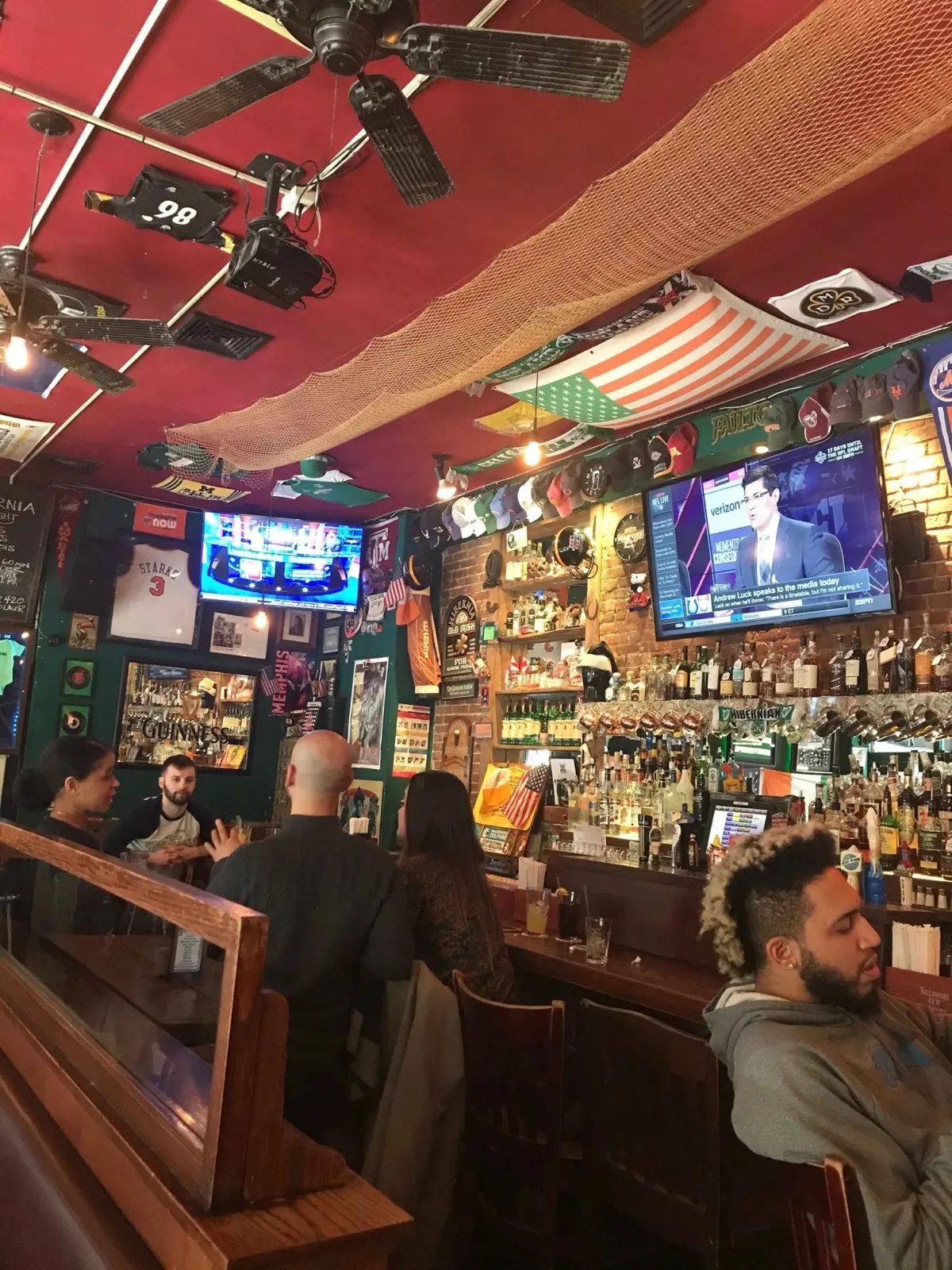
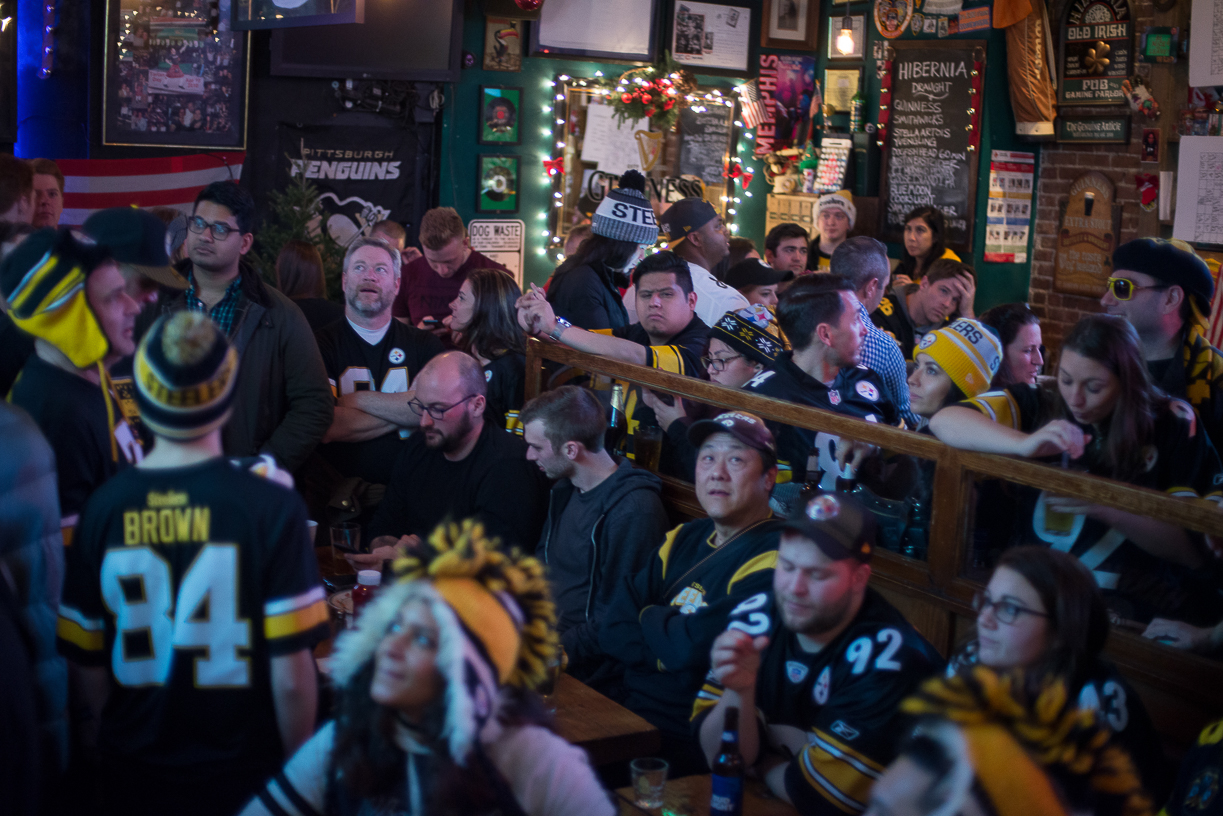
New York is one of the few places where ordering a drink can feel like both a simple pleasure and a tiny test of judgment. Step into the right room, whether it is a polished hotel lounge in Midtown, a low-lit East Village den, or a neighborhood Bar NYC regulars treat like a second living room, and the cocktail list tells you a lot before the first sip arrives. It tells you how seriously the house takes balance, whether the bartender leans classic or playful, and whether you are about to spend twenty dollars wisely.
That matters because New York bars cover the full range. Some are exceptional. Some are fashionable but careless. Some make a superb Martini and a flat Old Fashioned. Others are built for agave drinks, sparkling aperitifs, or pre-Prohibition classics. The smartest order is not just about what sounds good. It is about reading the room, understanding what a bar likely does well, and choosing a drink that gives you the best chance of getting something memorable.
The good news is that a handful of cocktails consistently perform in this city. They suit New York’s bar culture, they showcase bartender skill without drifting into gimmickry, and they hold up whether you are starting a night, settling into a date, or waiting out a rainy evening in a corner banquette.
What makes a cocktail worth ordering in New York
A great cocktail in New York usually earns its place through precision, not novelty. The best bars care about dilution, temperature, glassware, and fresh citrus in a way that sounds obsessive until you taste the result. In a city where a drink can easily cost between $18 and $28 before tax and tip, you should expect that kind of care.
The strongest orders tend to share a few traits. They are hard to fake, easy to judge, and well suited to the style of the bar you are in. A Daiquiri, for instance, is brutally honest. Rum, lime, sugar, and technique. Nothing hides. If it arrives too sweet, too warm, or dull from bottled juice, you know the bar is not sharp. A Martini is just as revealing, though in a different way. It shows you whether the bartender understands restraint, temperature, and proportion.
That is why the best cocktails to order at a Bar NYC drinkers trust are often classics. A seasoned bartender can put a signature twist on them, but the backbone remains recognizable. You are not ordering nostalgia for its own sake. You are choosing drinks that reward craft.
Start with the classics that New York bars tend to nail
If I had to narrow the field, five cocktails stand out as particularly Bar NYC strong orders across the city:
- Martini
- Manhattan
- Negroni
- Daiquiri
- Old Fashioned
These are not the only worthy choices, but they are the most reliable measure of a serious bar program. They also fit New York unusually well. The city likes drinks with backbone. Spirit-forward cocktails feel at home here, but so do crisp, exacting sours served icy cold and without fluff.
The Martini, the city’s cleanest flex
A good Martini in New York can feel almost architectural. It is all line and structure, with no room for sloppiness. The drink has become fashionable again in a very visible way, but the trend is not empty. The city genuinely has bars that make excellent Martinis, often with careful gin and vermouth selection, properly chilled glassware, and garnish options that are chosen with intention rather than habit.
Order one when the bar looks detail-oriented. You will usually spot the signs quickly: bottles arranged with purpose, bartenders stirring with patience, stemware that has actually been chilled, and a room that does not seem to be fighting chaos. If the staff asks whether you prefer gin or vodka, wet or dry, twist or olive, that is encouraging. If they ask the question like it matters, even better.
In New York, gin Martinis often outperform vodka versions because many cocktail bars take real pride in botanical structure. A 50-50 Martini can be superb before dinner, especially if you want something elegant but not punishingly strong. Late in the evening, a drier build can make more sense. The key is temperature. A Martini should arrive cold enough to stay taut for the first several minutes, not turn soft the moment it hits the table.
One practical note: a busy dance bar or sports bar is rarely the place for a Martini unless you know the bartender. This drink thrives in controlled environments. It punishes haste.
The Manhattan, still one of the most New York drinks there is
Few cocktails feel more native to New York than a Manhattan. Rye whiskey, sweet vermouth, bitters, and a cherry, if the bar handles it right. It carries history without becoming costume, and it suits the city’s temperament, direct, polished, and slightly severe in the best way.
At a strong Bar NYC whiskey drinkers love, the Manhattan is often a safer bet than an Old Fashioned because the balance is built in. Sweet vermouth softens the edges. Bitters add length. Rye gives spice and lift. Even a fairly robust pour remains composed if the dilution is right.
This is the cocktail I often recommend to someone who wants a serious drink but not a blunt one. It is especially good in cooler weather, though New Yorkers will order them year-round without apology. If the bar has multiple rye options and a bartender willing to talk through them, take advantage. A high-rye expression can give you snap and pepper. A softer whiskey can produce a rounder, more plush drink.
The Manhattan also reveals whether the house respects vermouth. Fresh vermouth, stored cold and turned over regularly, keeps the drink alive. Neglected vermouth makes it taste tired. In a city where bars move volume, the better spots understand this.
The Negroni, bitter in all the right ways
The Negroni works beautifully in New York because it matches the city’s appetite for flavor that does not beg for approval. Bitter, herbal, bright, and sturdy, it is a drink for people who like edges. Equal parts gin, Campari, and sweet vermouth sounds simple, but the result changes dramatically depending on the gin and the bartender’s sense of dilution.
Order a Negroni when you are in an Italian-leaning bar, a fashionable all-day spot with aperitivo instincts, or anywhere the back bar shows real attention to amari. It is one of the best pre-dinner cocktails in the city, especially if you are about to eat rich food. It wakes up the palate and stands its ground.
The danger with a bad Negroni is not usually balance, at least not on paper. It is laziness. Too much ice melt and the bitter structure collapses. Too little chill and the drink tastes blunt. The best versions are cold, glossy, and integrated, with the orange expression adding aroma rather than just decoration.
If you find classic Negronis too assertive, many New York bars also make excellent variations, swapping in mezcal, sparkling wine, or lighter bitter liqueurs. But the original remains a sharp test of bar quality.
The Daiquiri, the bartender’s truth serum
No drink exposes technique faster than a Daiquiri. Properly made, it is one of the most refreshing and precise cocktails in any city. Poorly made, it becomes forgettable beach resort candy. That gap is exactly why it is such a smart order.
A real Daiquiri is not frozen, not oversized, and not dressed up like a vacation souvenir. It is rum, fresh lime juice, and sugar, shaken hard and served up. In New York’s better bars, this drink often becomes the bartender’s handshake, a quiet way of saying, yes, we know what we are doing.
I like ordering Daiquiris at bars that emphasize classic technique or rum selection. You can tell a lot from the first sip. Is the citrus vivid? Does the sugar support rather than dominate? Does the rum still have a voice? A good Daiquiri is light on its feet, but it should not feel thin. It should finish clean and make you want another, which is both its charm and its risk.
Because the drink is so compact, small mistakes are magnified. That makes it one of the best value orders in a city where some elaborate cocktails are expensive but not especially disciplined.
The Old Fashioned, when simplicity is handled with care
The Old Fashioned is everywhere in New York, which is both good and bad. It is easy to find, but its popularity has encouraged a lot of mediocre versions. Too much sugar, too much muddled fruit, too much theater, not enough judgment. When done properly, though, it remains one of the city’s most satisfying orders.
The best Old Fashioneds are dry enough to let the whiskey lead. The sugar should round the spirit, not turn it syrupy. Bitters should frame the drink, not vanish into it. The orange expression should be fragrant and restrained. If a bar treats the Old Fashioned as an adult whiskey cocktail instead of a dessert project, you are in good hands.
I tend to order one in places that lean toward American whiskey, hotel bars with veteran staff, or neighborhood rooms where bartenders have done the same drink hundreds of times and refined it through repetition. These are often better environments for an Old Fashioned than trend-heavy spots trying to reinvent every classic.
Drinks that shine in certain kinds of NYC bars
The city is too varied for one-size-fits-all advice. Your best order changes depending on where you are standing.
In a grand hotel bar, classics usually dominate. Martinis, Manhattans, and Champagne cocktails fit Bar NYC the setting. You are paying partly for atmosphere, so it makes sense to order something that belongs in that atmosphere. A well-made French 75 can also be a strong move here, especially if the room feels celebratory and the bar has lively service.
In downtown cocktail dens, bartenders often excel at exacting shaken drinks and obscure classics. This is where a Last Word, a Paper Plane, or a Daiquiri can outperform a more generic crowd-pleaser. The staff is likely to care about acidity, balance, and spirits you may not keep at home.
In neighborhood bars with serious but relaxed programs, the sweet spot is often a drink that matches the house rhythm. Maybe it is a Negroni on draft that actually works, or a Manhattan made with local confidence rather than menu copy. These places can be the most satisfying because they are less performative. You get competence without ceremony.
At Mexican or agave-focused bars, skip the default Margarita if the menu suggests deeper ambition. A Tommy’s Margarita can be excellent, but so can a sharp Oaxaca Old Fashioned, a Paloma with real bite, or a stirred mezcal drink that lets smoke stay subtle rather than overwhelming. New York has enough strong agave programs now that this category deserves respect.
How to read the bar before you order
A lot of disappointment can be avoided in the first two minutes. Before you ask for anything, watch.
Look at what is on the tables. If every Martini glass looks half full of melted sadness, choose differently. If stirred drinks are coming out clear, cold, and composed, that is a good sign. Listen to the pace behind the bar. Are the bartenders rushed but controlled, or rushed and sloppy? Notice whether citrus appears fresh. Even from a short distance, you can often tell the difference between real lime juice and something tired.
The menu matters too. A concise cocktail list with a clear point of view usually beats a sprawling one. A bar offering fourteen smoked variations and candy-garnished twists may be fun, but fun and precision are not always the same thing. On the other hand, if the list is short and each drink seems built with purpose, chances are the team has made choices instead of throwing ideas at the wall.
If you are uncertain, ask a specific question. Not “What’s good?” but “What do you think the bar does best, stirred whiskey drinks or shaken citrus drinks?” Good bartenders appreciate a guest who wants the right drink for the room.
Cocktails that are often better in theory than in practice
Not every famous cocktail is the best use of your money in New York. Some are simply inconsistent across venues.
Espresso Martinis can be excellent, and in the right bar they absolutely are. But they depend on fresh espresso, clean integration, and a setup that can handle coffee service without turning the drink into a sugary rush job. In high-volume settings, they often become blunt instruments. Order one when the bar clearly treats coffee seriously or when you have seen them make several already and they look tight.
Margaritas are similar. A fresh, balanced Margarita is one of the great drinks, but many bars treat it as a crowd mover rather than a craft expression. If you are in a generalist bar rather than an agave specialist, a Daiquiri or Negroni may give you a better read on quality.
Mojitos suffer most from context. In a quiet room with a bartender who has time, they can be vivid and refreshing. In a packed Saturday-night bar, mint becomes collateral damage. The drink arrives bruised, watery, or both. Sometimes the right order is simply the one that respects the pace of service.
What to order based on the moment
Different nights call for different drinks. Matching the cocktail to the occasion is one of the easiest ways to order well.
- Before dinner, choose something crisp or bitter, like a Martini, Negroni, or French 75.
- On a cold night, lean spirit-forward with a Manhattan or Old Fashioned.
- In warm weather, a Daiquiri or well-made Paloma feels sharper and more alive.
- For a date, pick something classic and readable, a drink that starts conversation instead of stopping it.
- If you are unsure about the bar, order a Daiquiri or Martini and let the first round tell you what comes next.
That last point matters. The first drink is reconnaissance. If it is excellent, you can get more adventurous. If it is merely competent, stick to the house strengths or shift to wine, beer, or a simpler mixed drink.
The role of price, neighborhood, and expectations
A twenty-five-dollar cocktail is not automatically better than an eighteen-dollar one in New York. Price often reflects rent, concept, and neighborhood as much as liquid quality. A polished Midtown room may charge more because the room itself costs more to run. A Brooklyn spot with lower overhead may serve a more precise drink for less. Neither outcome is unusual.
That said, there is a threshold where expectations rise. Once you cross into the low-to-mid twenties, the drink should feel deliberate. Ice quality, garnish, glassware, and service all matter. If a bar charges premium prices, it should deliver more than a loud room and a photogenic coupe.
Neighborhoods also shape style. In parts of Manhattan, you may find stronger formal service and more reverence for classics. In Brooklyn, there is often more experimentation, though plenty of bars there can execute the canon beautifully. Downtown scenes may skew trendier, but some of the sharpest bartending in the city also happens there. The trick is not to stereotype too hard. New York likes to contradict itself.
A few orders that impress bartenders for the right reasons
There is no need to perform sophistication at a bar, but certain orders signal that you value craft. A Daiquiri does that. So does a proper Martini order, stated clearly and without drama. Asking for a rye Manhattan, up, with a cherry tells the bartender you know what you want and understand the format.
What does not impress anyone is overcomplication for its own sake. If you need six modifications to make a drink acceptable, you probably do not want that drink. The best guests in New York bars are decisive, polite, and realistic about the room they are in.
A useful habit is to order with enough specificity to be helpful, not enough to sound rehearsed. “Gin Martini, a little wet, with a twist” is clean and practical. So is “Rye Manhattan, classic spec.” You are giving direction without turning the interaction into a script.
The drinks that most often justify a second round
The cocktails people reorder in New York are not always the showiest ones. They are the drinks that maintain pleasure over time. A Negroni can carry you through conversation. A Daiquiri can reset your palate and sharpen the evening. A Manhattan can feel like the right answer at almost any serious bar once the sun is down.
That may be the clearest measure of what belongs on a list of the best cocktails to order at a Bar NYC visitors and locals both respect. The best drink is not just the one that tastes dramatic in the first sip. It is the one that still feels right ten minutes later, the one you would order again without needing to be persuaded.
If you want the safest smart bets, start with the classics: Martini, Manhattan, Negroni, Daiquiri, Old Fashioned. If the bar handles those with confidence, the night tends to go well from there. And in a city with as many bars, moods, and price points as New York, that kind of reliable pleasure is worth knowing how to order.
Hibernia Bar
401 W 50th St
New York, NY 10019
(212) 969-9703
FAQ About Bar NYC
What is there to do in Hell's Kitchen, NYC?
Explore the restaurants and bars along Ninth Avenue, catch a Broadway show nearby, or visit the Intrepid Museum on the Hudson River. Hibernia Bar is at West 50th Street and Ninth Avenue, a convenient stop before or after a show.
What are some bars in New York City that serve good food?
Hibernia Bar in Hell's Kitchen serves wings, burgers, fish and chips, and shepherd's pie. Its kitchen lists a 2 a.m. closing time, which makes it an option for dinner after a show or a game.
How far is Hell's Kitchen from Times Square?
Hell's Kitchen is just west of Times Square. From Broadway and West 45th Street, Hibernia Bar is roughly 0.6 miles away, or about a 12-minute walk depending on crowds.