Hidden Gems in the Bar NYC Scene You Need to Try
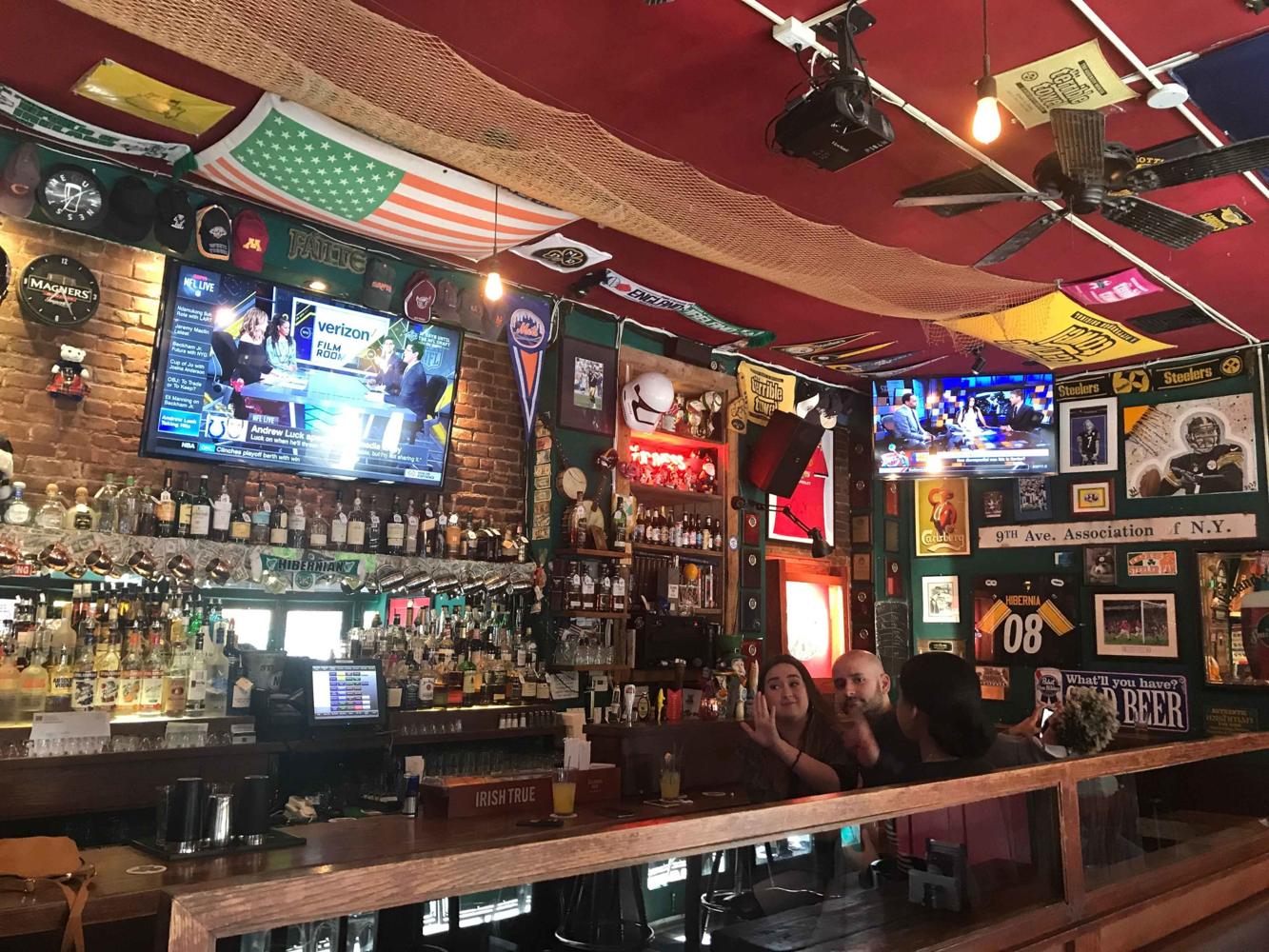
New York does not make it easy to find its best bars. The city rewards curiosity, patience, and a willingness to walk past three loud spots before pushing open an unmarked door. Anyone can find a packed rooftop in Midtown or a famous cocktail address in the West Village. The more interesting side of the Bar NYC scene lives somewhere else, usually one staircase down, behind a narrow hallway, or on a block that looks too quiet to matter.
That is part of the appeal. A hidden gem bar in New York is not just a place with dim lighting and a good Negroni. It is a room with intent. The music level feels chosen rather than accidental. The bartender notices whether you want conversation or space. The menu has personality, but it does not ask you to decode an essay before ordering a drink. Often, the food is better than it needs to be, the crowd is mixed, and the place still feels like it belongs to its neighborhood.
The hard part is that “hidden gem” means different things depending on what you value. For one person, it is a tiny cocktail den in the Lower East Side where every drink arrives perfectly chilled. For another, it is a wood-paneled bar in Brooklyn where the martinis are cold, the pours are honest, and nobody is trying too hard. New York has both, and a lot in between.
What follows is not a checklist of the loudest openings or the most photographed back bars. It is a guide to the kinds of places that still feel rewarding in a city that can flatten every good discovery into content within a week.
What makes a bar feel like a hidden gem in New York
A real hidden gem is not necessarily obscure. Sometimes it is simply underappreciated. New York has bars that are famous among bartenders, regulars, and hospitality people, yet somehow stay outside the usual recommendation loop. Those places tend to share a few traits.
First, they respect pace. In an overbooked city, speed often gets mistaken for service. Better bars know when to move quickly and when to let a round breathe. You feel it when your second drink appears just as the first is ending, not ten minutes late and not while your glass is still half full.
Second, they understand comfort. This sounds basic, but it is surprisingly rare. A lot of bars in New York look great in photos and feel punishing after 40 minutes. Hidden gems usually get the fundamentals right: supportive seats, sensible table spacing, lighting that flatters without blinding, and acoustics that do not force you to lean in all night.
Third, they do one thing especially well. Maybe it is sherry cocktails, clear ice, top-tier bar snacks, Japanese whisky, tropical drinks, or simple highballs made with unusual care. General competence is easy to find. Specialization is what people remember.
Finally, they avoid desperation. The city is full of concepts. The best bars have identity, which is different. You can tell when a place was built around hospitality rather than a marketing deck.
Downtown still hides some of the sharpest rooms
Manhattan below 14th Street remains the spiritual center of serious drinking in New York, but the best experiences there are often not the most obvious ones. In neighborhoods where every block seems to offer some version of a cocktail bar, the rooms that stand out tend to do so quietly.
Take the Lower East Side. It has enough nightlife volume to overwhelm anyone trying to choose on the fly. The mistake many people make is chasing the busiest door. Crowds in that part of the city often signal visibility, not quality. Some of the stronger options are bars where the team has built a following through consistency rather than spectacle. Bar Goto is one of the clearest examples. It is not a secret, but it still feels like a discovery because the room is so composed. The Japanese-inflected cocktail menu is focused, the balance is precise, and the food matters. The wing dish alone has convinced more than one skeptical friend that bar snacks can be memorable rather than obligatory.
A few blocks away, Attaboy remains a lesson in why restrained service and bespoke drinks still work when done by people who know exactly what they are doing. It is not hidden in the purest sense, and anyone pretending otherwise is being theatrical, but it still captures the spirit of New York bar culture at its best. There is no sprawling menu to perform your way through. You tell the bartender what you like, or what you do not like, and the conversation becomes part of the drink. That model fails in weak hands. In capable ones, it feels personal and efficient.
The East Village Bar NYC offers a different version of the hidden gem experience. Here, the best bars often succeed because they resist the neighborhood’s tendency toward chaos. Amor y Amargo has long earned respect for its unwavering commitment to bitters and amaro. It is small, exacting, and self-assured. If you want a sweet, easy crowd-pleaser, you can find one nearby. If you want a drink with edges, bitterness, and structure, this is the kind of place that reminds you how much character a cocktail can carry without turning into a novelty.
The West Village, meanwhile, can be difficult terrain for anyone who dislikes performative exclusivity. Still, even in one of the city’s most overhyped drinking zones, there are bars that justify the trip. Little Branch, tucked below street level, has the kind of old-school intimacy many newer bars imitate badly. Live music on some nights changes the room completely. It can get crowded, and there will be evenings when the wait tests your patience, but when it clicks, it offers something that a lot of polished newcomers cannot: atmosphere that feels earned rather than installed.
Brooklyn’s best hidden gems are often neighborhood bars with unusually high standards
Brooklyn has spent years being described in broad strokes, usually by people who mean one or two highly trafficked areas and not much else. In reality, some of the strongest Bar NYC experiences now happen in Brooklyn spots that treat hospitality as local craft rather than destination theater.
Carroll Gardens and Cobble Hill have long been good territory for drinkers who care as much about ease as excellence. Clover Club is not hidden, exactly, but it still deserves mention because it helped establish a model many others have copied: serious cocktails without stiffness. The room is lively, the bartenders move with confidence, and the menu has enough range to satisfy both classic drinkers and people looking for something more seasonal. Its real strength is durability. Plenty of bars make a splash. Fewer stay good for years.
More interesting, though, are the less canonized places scattered through Prospect Heights, Greenpoint, and Bed-Stuy. This is where New York still offers one of its best pleasures: the neighborhood bar that happens to pour a first-rate Martinez, grill an excellent sandwich, and remember what you ordered the last time. Those bars rarely dominate travel guides because they are not trying to become institutions overnight. They build regulars first, then reputation.
Sunken Harbor Club, above Gage & Tollner in Downtown Brooklyn, sits in an unusual category. It is theatrical, yes, but not gimmicky. Tropical bars can drift into costume, especially in a city where every format gets overdesigned eventually. Here, the drinks have real backbone. The menu takes rum seriously, the glassware serves the experience without overwhelming it, and the room understands escapism as hospitality rather than kitsch. It is the sort of place that makes a second round feel inevitable.
Williamsburg remains crowded with options, but this is where judgment matters most. Plenty of bars in the neighborhood are polished enough, but many are calibrated for visibility first. If you want something better, look for places where the bartenders seem more interested in your palate than in pushing the “signature.” Often, the hidden gem is not the most obscure address. It is the room that never became a scene despite being good enough to do so.
Midtown and the edges of it still hold surprises
Many experienced New Yorkers write off Midtown too quickly. That instinct is understandable. Corporate expense accounts, tourist traffic, and overdesigned hotel bars can flatten the area into cliché. Yet Midtown also contains some of the city’s most disciplined drinking rooms, especially if you appreciate classic service.
Temple Bar, just south of the densest Midtown crush, shows how a bar can be elegant without becoming sterile. The lighting is low, the room is handsome, and the drinks are made with the kind of precision that leaves little to argue about. It helps to arrive with the right expectations. This is not a wild spontaneous stop after midnight. It is a place for a proper martini, a clean Manhattan, and conversation that deserves something better than plastic acoustics.
A little farther uptown, hotel bars often conceal value in plain sight. Not every hotel bar is worth your time, but the better ones offer something independent venues sometimes cannot: continuity. Good hotel bars are built for repeat use by very different people on the same night. A solo traveler, a publishing editor, a couple on a date, and two coworkers closing out a long day can all occupy the same room without conflict. When the operation is run well, that mix creates energy without tipping into noise.
The caution here is obvious. Midtown hidden gems disappear faster than neighborhood staples. A renovation, a management change, or a menu redesign can shift the whole proposition. If you have not visited a place in a year, it is wise to treat your memory as provisional.
The best hidden bars serve more than cocktails
One habit separates seasoned bar-goers from casual scrollers: they pay attention to what happens beyond the glass. Hidden gems in New York are often distinguished by the supporting details.
Food is a major one. The old idea that bar food should be forgettable has been obsolete for years. In this city, some of the most satisfying bites come from bar kitchens that understand restraint. A strong menu does not need ten ambitious plates. It needs a handful of things that arrive hot, seasoned properly, and timed well with drinking. At Japanese-accented bars, that might mean crisp karaage or sandos. At a polished neighborhood spot, it could be oysters, a burger, or deeply savory olives and nuts treated with more care than you expect.
Glassware matters too, though perhaps less for visual reasons than practical ones. A hidden gem usually knows how to choose the right vessel for aroma, dilution, and temperature. You notice it in small ways. The coupe is not absurdly shallow. The rocks glass feels good in the hand. The beer arrives cold enough to justify ordering another one.
Then there is staffing. New York drinkers often talk about cocktails as if recipes alone create excellence. They do not. Team culture does. A bar where the floor staff communicates smoothly with the bartenders, where hosts handle waits honestly, and where nobody makes guests feel as if asking a question is an interruption, is already ahead of half the field. Experienced hospitality people understand that seamlessness is not accidental. It is built through training and maintained under pressure.
How to spot a hidden gem before the first sip
People often ask how to find a great bar in New York without relying on overexposed “best of” lists. There is no perfect formula, but there are useful signals.
Look at the menu length. A concise cocktail list often indicates confidence. That does not mean eight drinks are always better than twenty, but bloated menus usually suggest indecision or a need to please everyone. Strong bars know their lane.
Watch the room for five minutes before sitting down, if you can. Are people finishing their drinks and ordering another, or just taking pictures and leaving? Are bartenders making eye contact? Does the crowd include locals who seem settled in, rather than a full rotation of one-and-done visitors? Those clues tell you more than decor ever will.
Pay attention to the back bar. If a place claims to be serious about agave, rum, amaro, or whisky, the bottle selection should support the story. The same goes for technique. If you see clean stations, proper chilling, and bartenders moving with economy, that usually translates hiberniabar.com Bar NYC into a stronger drink.
Most importantly, ask one direct question. Something simple works best: “What is the house style here?” Good staff answer that clearly and without a sales pitch. Weak places default to whatever has the highest margin or the trendiest name.
Timing changes everything in New York bars
Even a great bar can feel mediocre at the wrong hour. This is one of the least glamorous but most important truths about drinking well in New York.
Arrive too early, and some bars feel half awake. Arrive too late, and the room turns transactional. The sweet spot depends on the type of bar. Cocktail dens often hit their stride once the first rush settles, usually after the post-work spike but before the late-night surge. Neighborhood bars can be wonderful in the early evening, when regulars drift in and the energy feels local rather than public. Hotel bars often excel at off-peak hours, when you can actually appreciate the room.
Weeknights are your friend. Tuesday through Thursday tend to reveal a bar’s real character. On Fridays and Saturdays, many places are simply managing volume. If a hidden gem still feels attentive on a Thursday at 8:30 p.m., that is a strong sign. If it only works on a sleepy Monday, the operation may be leaning too hard on ideal conditions.
Season matters too. Summer in New York changes how bars function. Doors stay open, people move quickly, and many drinkers want lighter formats, spritzes, highballs, and chilled reds. Winter favors depth: stirred drinks, richer textures, darker spirits, and a willingness to linger. Good bars adapt without losing themselves.
A practical approach to exploring the Bar NYC scene
If your goal is to find hidden gems rather than just check boxes, a little strategy helps. The most satisfying nights in New York usually involve one anchor bar and, if energy allows, one follow-up stop with a contrasting mood. That could mean beginning somewhere meticulous and quiet, then shifting to a looser neighborhood room for a final round. It could mean oysters and Martinis first, then tropical drinks later. What rarely works is bouncing among four famous addresses in three hours.
There are a few habits worth keeping in mind:
- Pick neighborhoods, not just bars. Walking ten minutes between spots often teaches you more about the city’s drinking culture than a cab ride across boroughs.
- Order one classic early. A martini, daiquiri, Manhattan, or Negroni reveals a lot about a bar’s standards.
- Eat before your third drink, not after. New York pours can be generous, and pacing affects your judgment more than people admit.
- Be polite but specific with bartenders. “I like dry, herbal, not too sweet” is far more useful than “Surprise me.”
- Leave room for return visits. One imperfect night does not always mean a bar is overrated. Service, staffing, and crowd shape the experience.
That last point matters. I have had ordinary drinks at bars I genuinely admire, and excellent rounds at places I never felt compelled to revisit. A hidden gem earns repeat business not by being flawless every minute, but by getting the important things right often enough that you trust it.
Why hidden gems still matter in a city that publicizes everything
There is a fair argument that no true hidden gems remain in New York. Social media finds everything eventually. Reservation apps flatten exclusivity. Word travels fast, and if a bar is genuinely special, somebody posts it by dessert.
Even so, discovery still exists. It just looks different now. Instead of finding a place nobody knows, you find a place that still feels intimate despite being known. That is harder to build, and in some ways more impressive. It depends on restraint from owners, consistency from staff, and a kind of confidence that does not need to shout.
The best hidden gems in the Bar NYC landscape deliver precisely that. They make space for taste, not just trend. They remind you that a city famous for excess can still offer subtlety. And they prove, night after night, that what keeps people coming back is not mystery alone. It is the rarer thing: a bar that understands exactly what it wants to be, then does it well enough that you want to bring someone else next time.
Hibernia Bar
401 W 50th St
New York, NY 10019
(212) 969-9703
FAQ About Bar NYC
What is there to do in Hell's Kitchen, NYC?
Explore the restaurants and bars along Ninth Avenue, catch a Broadway show nearby, or visit the Intrepid Museum on the Hudson River. Hibernia Bar is at West 50th Street and Ninth Avenue, a convenient stop before or after a show.
What are some bars in New York City that serve good food?
Hibernia Bar in Hell's Kitchen serves wings, burgers, fish and chips, and shepherd's pie. Its kitchen lists a 2 a.m. closing time, which makes it an option for dinner after a show or a game.
How far is Hell's Kitchen from Times Square?
Hell's Kitchen is just west of Times Square. From Broadway and West 45th Street, Hibernia Bar is roughly 0.6 miles away, or about a 12-minute walk depending on crowds.