Bar NYC in Winter: Cozy Spots for Cold Nights
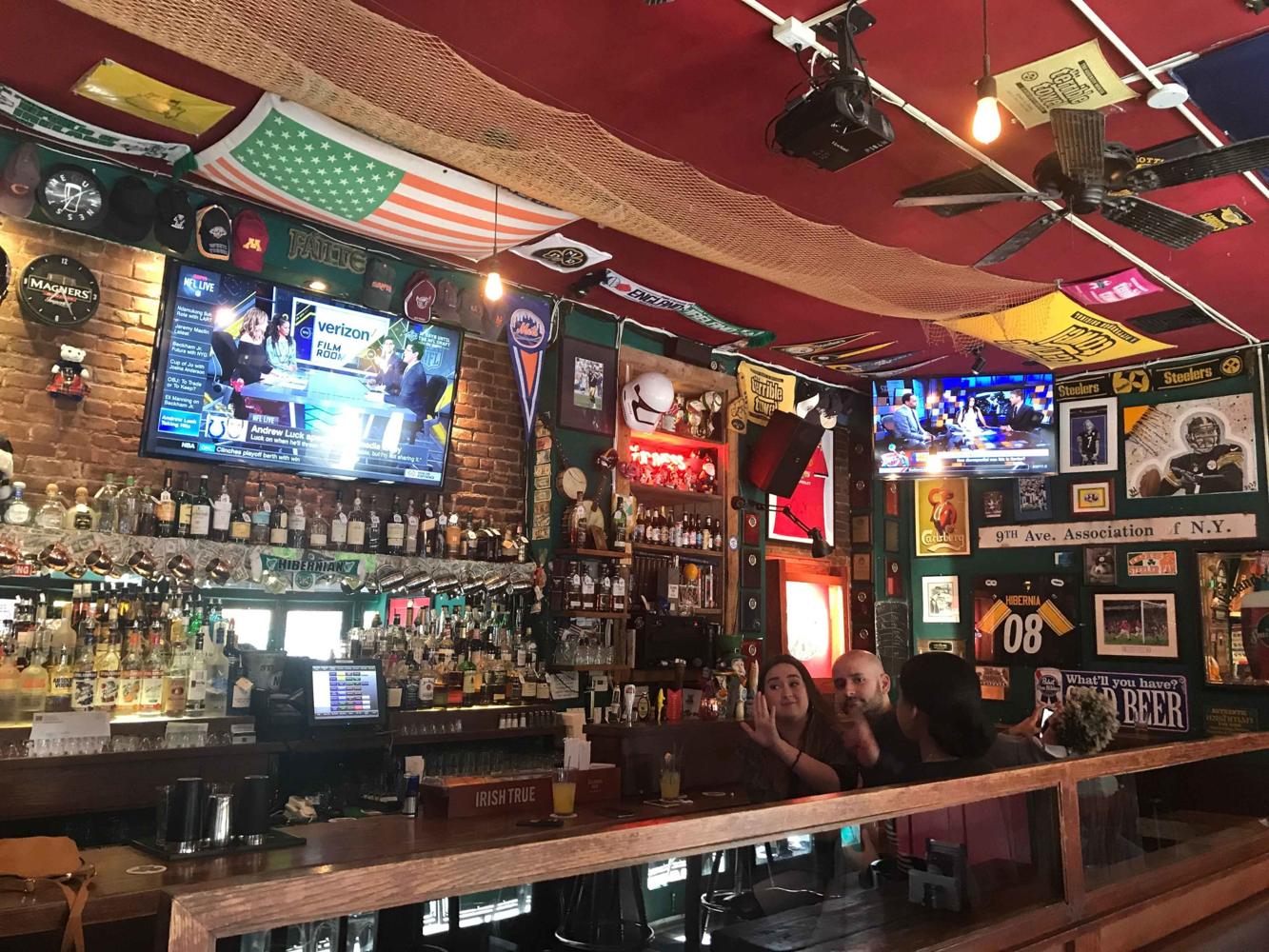
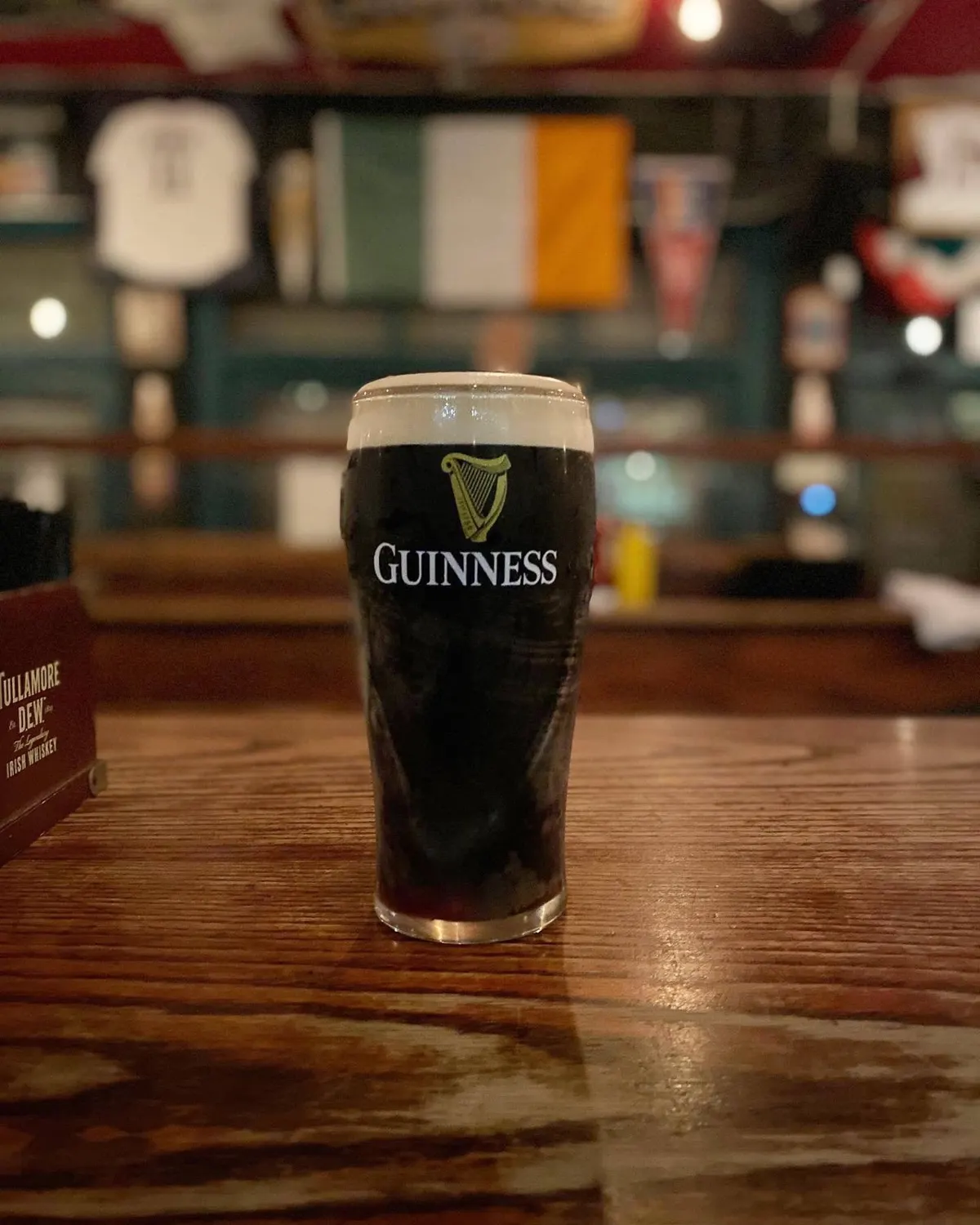
Winter changes the drinking map of New York. In warmer months, people tolerate a lot for the pleasure of being out, standing near an open window, spilling onto the sidewalk, chasing rooftops and frozen cocktails and whatever reservation they could get at 9:45. By late November, that energy fades. A good night starts to depend on warmth, lighting, sound, and whether the room feels like shelter instead of a holding pen.
That shift is why a great Bar NYC experience in winter has almost nothing to do with trendiness. It has to do with whether you can relax once the coat comes off. It has to do with whether the bartender notices you before your fingers fully thaw, whether the banquette is deep enough to lean into, whether the draft from the front door cuts across the room, whether the kitchen stays open long enough to justify one more round. New York has no shortage of bars, but cold nights are selective. They expose bad seating, harsh acoustics, cramped layouts, and overhyped rooms that survive on summer foot traffic.
The bars that win in winter are rarely accidental. They tend to understand pace. They know people arrive bundled, tired, and slightly overstimulated from the street. They make a room feel immediate and contained. Candlelight helps, so do wood, velvet, and a little age. So does a bartender who can read whether you want conversation or silence.
What “cozy” actually means in a New York bar
Cozy is an abused word in hospitality. In real terms, it is usually a balance of five practical things:
- Warm, flattering light that softens the room without making the menu unreadable
- Seating that lets you settle in for more than one drink
- Sound levels low enough for conversation, even when the room fills up
- A beverage program that suits cold weather, from stirred cocktails to hot drinks and darker beer
- Staff timing that feels attentive rather than rushed
Plenty of bars get one or two of these right. The memorable ones get most of them right at once. You feel it almost immediately. The room absorbs the weather outside instead of fighting it.
That matters more in New York than in many other cities because winter here is rarely picturesque in the way visitors imagine. It is windy, damp, slushy, and uneven. You might leave one neighborhood with dry sidewalks and walk into ankle-deep gray melt in another. The subway platforms are overheated, cabs are unpredictable when it rains, and everyone is carrying layers. By the time you walk through the door of a bar, you are not only looking for a drink. You are looking for relief.
The classic Manhattan refuge
If you want the most straightforward version of winter comfort, Manhattan still does it best. Not because every bar is excellent, but because the city has preserved a particular kind of room there, one built for escape. Think old taverns, polished wood, amber liquor, and bartenders who know how to keep a room moving without making it feel hectic.
The West Village remains one of the strongest neighborhoods for this mood. The streets are narrow, the scale is human, and the older building stock lends itself to intimate interiors. On a cold night, that matters. You can walk five or six blocks and pass several bars that feel plausible rather than settling for whatever is nearest. The best West Village spots are not always the loudest or the most photographed. They are often the ones where the lighting stays low, the bar stools are actually usable, and the cocktail list knows when to stop showing off.
Murray Hill and the Flatiron area can work surprisingly well for winter drinking too, especially if your priority is reliability over romance. Some of the city’s best-known historic bars sit in that zone, and history does some real work in cold weather. High ceilings, dark wood, and old mirrors create depth and insulation, even if the room is busy. A place like that can absorb office crowds and still feel inviting at 8 p.m., which is not true of many trend-forward cocktail bars built for turnover.
Midtown, despite its reputation, should not be dismissed. It has some deeply comfortable hotel bars and old-school lounges that make perfect sense in January. The trade-off is price. You are often paying for location, square footage, and service standards. On the other hand, if you need a polished room where you can hear a client, warm up after a show, or sit for two hours without being hurried, Midtown earns its keep.
Brooklyn’s softer version of winter hospitality
Brooklyn’s coziest bars usually feel less ceremonial than Manhattan’s. The best ones are lived-in rather than grand. You are more likely to find mismatched lamps, records on the wall, natural wine beside whiskey, and kitchens turning out something deeply salty and satisfying after 10 p.m. The comfort is less formal, but often more personal.
Cobble Hill, Carroll Gardens, and Boerum Hill are especially strong on freezing nights because the scale of those neighborhoods encourages a slower kind of bar culture. You can meet someone for “just one” and end up staying because the room makes sense. Nothing is working against you. The music is present but not punishing. The menu includes actual food, not just a bowl of nuts. The crowd leans local, which changes the energy. Bars built for regulars tend to care more about repeat comfort than instant spectacle.
Williamsburg and Greenpoint, by contrast, offer range. You can still find genuine winter hideaways there, especially along side streets away from the heaviest traffic, but you need to be more selective. Some rooms that feel charming on a Tuesday can turn exhausting by Friday when every reservation is stacked and everyone else is standing three deep. In winter, crowd density can either create warmth or destroy it. The dividing line is layout. If the room funnels every entrance blast straight into the seated guests, or if there is nowhere to land while people peel off scarves and gloves, the romance disappears quickly.
The best Brooklyn bars for cold nights often understand one small but crucial detail: winter drinkers stay longer. They build menus and service around that fact. Better glassware, sturdier snacks, a second round that arrives at the right moment, and chairs that support your lower back do not sound glamorous. At 11 p.m. In January, they are the difference between a good night and a short one.
Lower East Side and East Village, when you want energy with warmth
Not everyone wants hushed velvet in winter. Some nights call for movement, noise, and a little friction, just not the kind that leaves you shivering by the door. The Lower East Side and East Village can deliver that balance if you choose carefully. These neighborhoods are full of bars that know how to create atmosphere in relatively small rooms. The successful ones lean into their size. They feel packed in a lively way, not claustrophobic.
A winter bar in those neighborhoods works best when it offers some combination of tight lighting, strong pours, and a clear identity. It can be a natural wine spot where the windows fog up by 9 p.m., a cocktail bar that specializes in amaro and stirred drinks, or a corner tavern with old booths and a jukebox. The category matters less than whether the space controls its own mood.
There is also a practical advantage to downtown bar-hopping in winter. Distances are short. If one place is too loud, too cold, or too crowded, you can usually recover within a few blocks. That flexibility makes downtown more forgiving than a destination bar in a less dense neighborhood. You do not need your first choice to be perfect, just good enough to begin the night.
Still, winter exposes a common weakness in these areas: narrow rooms with constant door traffic. If you are meeting a group, get there early enough to claim the back of the room or a side nook. The first ten feet near the entrance can feel like a bus stop every time someone arrives.
Hotel bars, the underrated winter move
There is a reason seasoned New Yorkers default to hotel bars during bad weather. They are built to receive people. That sounds obvious, but many bars are not. A true hotel bar has an antechamber quality. You step in, hand off your coat if there is check service, and the weather stops mattering.
Good hotel bars also tend to solve several winter problems at once. Seating is more generous. Bathrooms are usually easier to access. The room is more likely to have corners, armchairs, and tables large enough for actual plates. Service often has fewer mood swings because hospitality is part of the larger operation, not a side effect of bar culture. If you are meeting someone from out of town or trying to salvage a night after a delayed train, this category is hard to beat.
The drawback is obvious. Hotel bars can feel expensive, and some of them are all design and no soul. But winter changes the value equation. Paying a little more for comfort, especially in a city where one bad stop can derail the evening, is not always indulgent. Sometimes it is efficient.
A polished room near Grand Central or in Tribeca can be exactly right when conditions are ugly outside. You may not get the neighborhood grit that some people associate with a Bar NYC night out, but you gain calm, consistency, and often a stronger food menu. That trade-off looks better when the wind is cutting sideways down the avenue.
What to drink when the temperature drops
Cold weather should change your order, at least a little. This is not about rules, just about matching the room and the season. A bracing gin highball can still be right, especially in a packed downtown spot, but winter rewards drinks with texture, spice, and warmth.
Dark spirits make obvious sense, yet the better bars do more than rotate bourbon to the top of the menu. They build balance. Rye drinks with bitter citrus notes, aged rum with nutty or coffee accents, amaro-forward cocktails, and rich flips or cobblers can all work beautifully when made with restraint. Heat should not mean heaviness. A room is cozy when your drink supports the mood without flattening your palate after three sips.
Beer drinkers often do best by reading the room rather than the season alone. In a wood-paneled tavern, a porter or brown ale can feel perfect. In a crowded natural wine bar with the windows fogging up, a crisp lager Bar NYC might still be the best call because the room itself is already warm and dense. The same logic applies to wine. Big reds are not automatically the answer. In overheated interiors, brighter reds and structured whites often perform better than the calendar suggests.
When I am choosing on a cold night, I usually keep three questions in mind:
- Is the room warm enough that a lighter drink will feel refreshing rather than thin?
- Am I eating here, or is the drink carrying the whole evening?
- Do I want one excellent cocktail or something I can comfortably sip for two hours?
Those answers often matter more than the menu language.
Food matters more in winter than many bars admit
The strongest winter bars understand that hunger arrives early. People walk in colder and often later than planned. If the kitchen is serious, even in a modest way, the entire place becomes more useful. You stay for another round because there is something hot and salty to bridge the gap. That can mean a burger, a bowl of olives and anchovies, a grilled cheese, fries, roast chicken, dumplings, or a plate of pasta if the bar shades into restaurant territory.
This is where old taverns and European-style wine bars often outperform trendier cocktail dens. They understand the role of food as insulation. It does not need to be ambitious. It needs to be timely, well-seasoned, and available when you actually need it. A perfect martini in a freezing room with no food after 10 p.m. Is not, in winter terms, a complete offer.
There is also a social difference. Food slows people down. It turns a stop into a stay. That shift can make a room feel more humane, especially in New York, where too many nights become logistical exercises. Winter is when bars have a chance to become places again rather than just scenes.
Small practical choices that shape the night
A lot of winter bar success in New York comes down to strategy, not serendipity. You can dramatically improve your odds with a few simple decisions.
- Reserve when the bar takes reservations, especially for groups of three or more
- Aim for arrival before peak hours if you care about seating
- Choose bars within a short walk of your next stop, not across town
- Bring a compact coat or scarf setup that will not dominate your seat
- If a room feels wrong within ten minutes, leave early and recover elsewhere
That last point matters. Many people stay too long in a bar that is clearly not working because they have already committed to the journey. Winter punishes that instinct. A bad summer bar can still be fun if the windows are open and the street is alive. A bad winter bar only gets worse as the night goes on.
The anatomy of a memorable cold-night bar
Some of the best winter bars in New York are not the most famous ones. They are the places where details align. The bartender puts water down without asking. The draft stays away from the tables. The playlist supports the room instead of demanding attention. The candle is bright enough to read by. Someone orders a hot toddy and it smells like actual citrus and spice, not syrup. The fries arrive hot. Nobody is rushing you out after 75 minutes.
That kind of bar creates loyalty. People return year after year because the memory is not just of a drink, but of being looked after. Hospitality becomes more visible in winter because discomfort is closer to the surface. You notice the host who offers a better seat after a cancellation. You notice when staff controls the door well enough that the room never turns chaotic. You notice when the place somehow feels full but not frantic.
For locals, those bars become part of the season’s rhythm. They are where first dates survive snow, where work stress softens over bourbon, where friends gather after dark at 6 p.m. And stay until the city empties a little. Visitors often chase the obvious destinations, but winter rewards a more measured approach. The right place is not always the one with the longest online buzz. It is the one that understands what a January night in New York asks of a room.
Finding your version of cozy
There is no single template for the perfect winter night out. Some people want red leather booths and martinis. Others want low-intervention wine and candle wax on the table. Some want a fireplace if they can get it. Others just want a corner seat, a deep pour of rye, and enough peace to hear their friend talk. New York can accommodate all of those preferences, but only if you choose with the season in mind.
If you care about atmosphere, winter Bar NYC is actually one of the best times to experience the city’s bar culture. The superficial layers drop away. Rooftop logic dies off. Patio shortcuts stop working. Interiors have to prove themselves. Service has to feel intentional. Menus have to comfort without becoming lazy. When a bar gets all of that right, the night can feel richer than anything summer offers.
That is the real promise of Bar NYC in winter. Not spectacle, not exclusivity, not bragging rights. Just a room that holds. A place where the cold recedes, the glass feels right in your hand, and the city, for an hour or three, becomes intimate enough to enjoy.
Hibernia Bar
401 W 50th St
New York, NY 10019
(212) 969-9703
FAQ About Bar NYC
What is there to do in Hell's Kitchen, NYC?
Explore the restaurants and bars along Ninth Avenue, catch a Broadway show nearby, or visit the Intrepid Museum on the Hudson River. Hibernia Bar is at West 50th Street and Ninth Avenue, a convenient stop before or after a show.
What are some bars in New York City that serve good food?
Hibernia Bar in Hell's Kitchen serves wings, burgers, fish and chips, and shepherd's pie. Its kitchen lists a 2 a.m. closing time, which makes it an option for dinner after a show or a game.
How far is Hell's Kitchen from Times Square?
Hell's Kitchen is just west of Times Square. From Broadway and West 45th Street, Hibernia Bar is roughly 0.6 miles away, or about a 12-minute walk depending on crowds.